
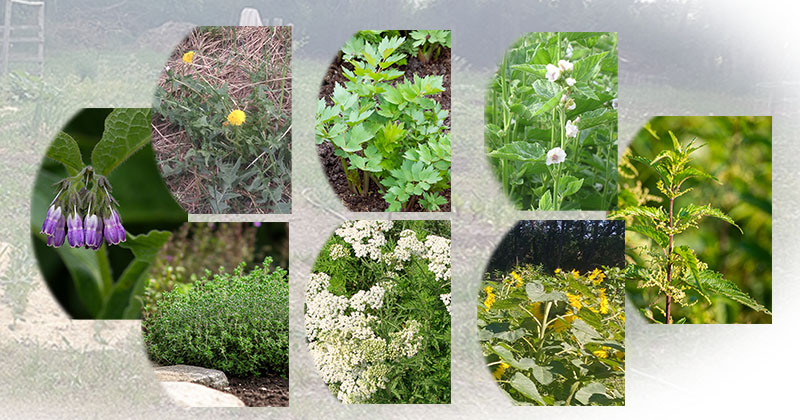
8 Medicinal Plants for Your Garden: List, Uses, and Notes
It’s just been since 2022 since I’ve started purposely growing medicinal plants and I’m not sure why I took so long! I’m also constantly growing in knowledge in this area and I’m passing some of that on to you now with this list of eight medicinal plants that are good to grow (pretty much all across Canada), their uses, and a few recipes to get your medicine supply growing.
Eight Plants for Your Home Apothecary
Welcome these eight plants into your garden for a source of natural remedies to maintain good health and treat a variety of health issues. These are all plants that I’ve grown and used for treatments or for their nutritive benefits. Each medicinal herb has a short description about it’s uses and dosage guidelines. And to help you put that plant to good use (and build your home apothecary) you’ll also have some simple recipes to treat common ailments and injuries.
You may want to source some of these fine dried herbs to start using before you grow them yourself. Use the list from Wild Rose College of Herbal Medicine (based in BC) to search out some online herbal stores across Canada. Most of these should be easy to find as seeds at your local heritage seed distributor, but you can also check out these Canadian options — all seed houses that I’ve purchased from online or in a store:
Prairie Garden Seeds (SK) – https://prairiegardenseeds.ca
Heritage Harvest Seed (MB) – https://heritageharvestseed.com
West Coast Seeds (BC) – https://www.westcoastseeds.com
Metchosin Farm (BC)- https://metchosinfarm.ca

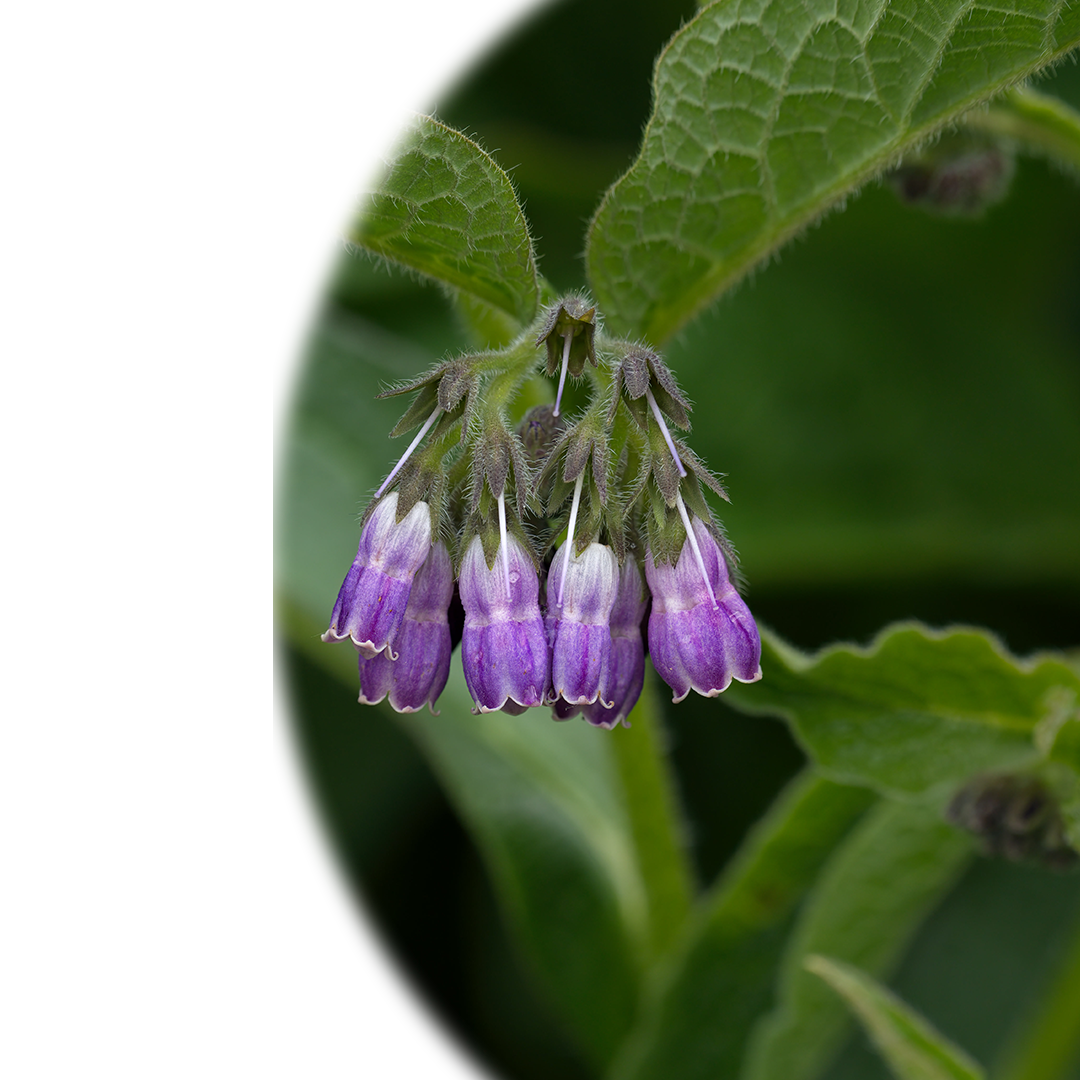
1. Comfrey (Symphytum officinale)
Use: External healing for burns, sprains, and minor wounds; also good for skin conditions like eczema and inflammatory issues like arthritis.
Steph’s Note: This is the plant I’ve been growing the longest from this list. It’s so easy to grow and will thrive in a variety of environments and soils. Outside of a salve, I use comfrey for composting to speed up decay and add a powerhouse of soil nutrients.
Recipe: Comfrey Poultice
For bruises, sprains, and sore joints.
- 1 cup fresh comfrey leaves, chopped (or ½ cup dried)
- Hot water to soften
- Mash into a paste and apply to clean cloth
- Place on affected area for 20–30 minutes, 2x daily
Dosage Tip:
- External use only. Avoid broken skin and long-term use.
- For infused oil: steep dried leaves in olive oil for 2–3 weeks, strain, and use in salves.

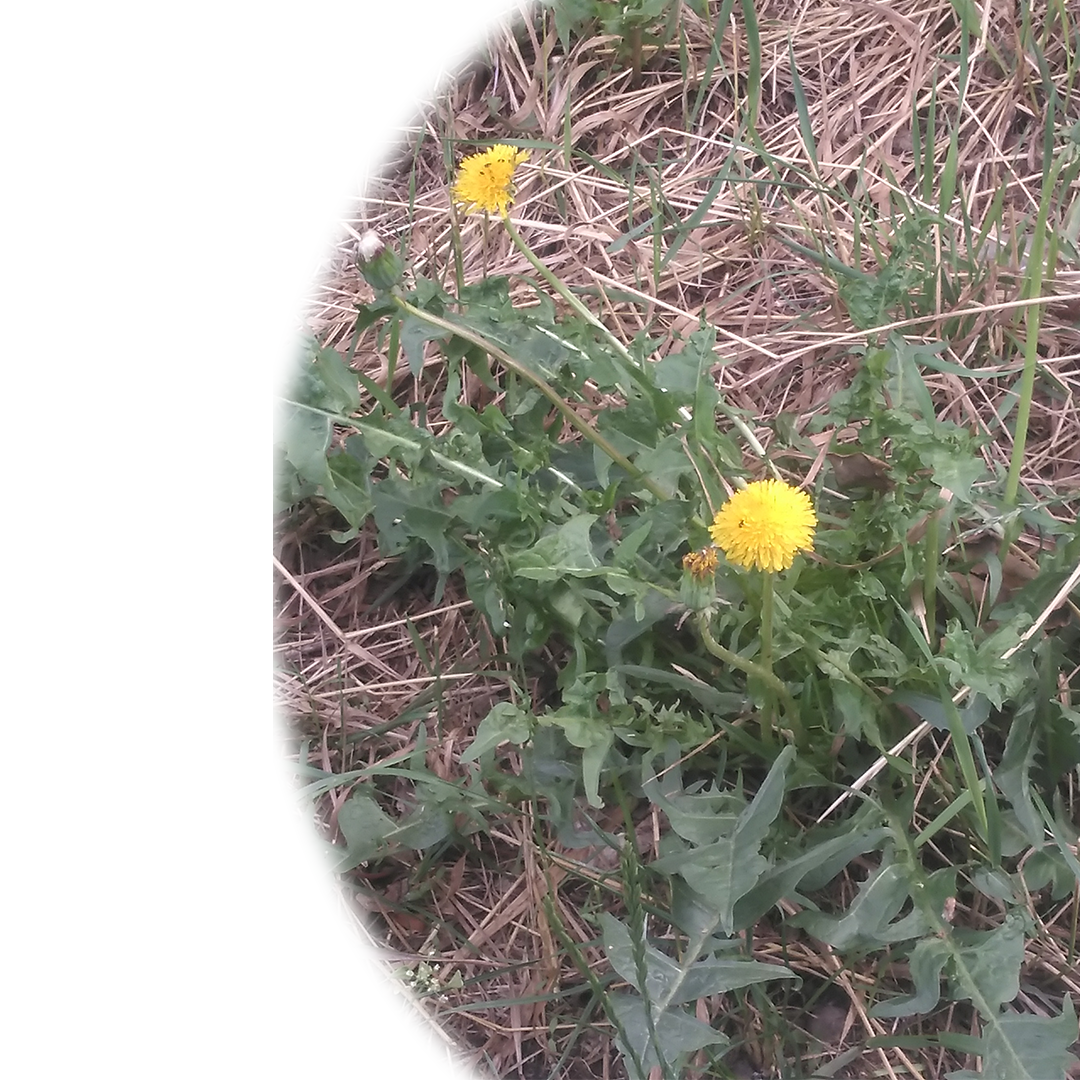
2. Dandelion (Taraxacum officinale)
Use: Liver support, digestion, mild diuretic, anti-inflammatory; consume tea from leaves or roots as an herbal infusion for general nutritive benefits and eating leaves as you would any green leafy vegetables.
Steph’s Note: This common ‘weed’ has only recently been part of my treatment list and good health eats. I was under the deception for way to long that dandelion is just an abundant weed, but now I’m realizing that most of what grows in abundance is God’s provision for our health!
Harvest what you can that already grows around you. In addition to abundant dandelion, there’s a good chance you have goldenrod and purslane growing in pastures, ditches, and your garden. While this list doesn’t include information on goldenrod and purslane, they are some wildcrafting herbs that should be on your foraging list.
Recipe: Dandelion Root Decoction
- 1 tbsp dried root per cup of water
- Simmer 20 minutes, strain
- Drink 1 cup up to 3x daily
Dosage Tip:
- Leaves: 1–2 tsp dried or a handful fresh per cup of tea
- Flowers: infuse in vinegar for salad dressings or take 1 tsp diluted in water before meals

3. Lovage (Levisticum officinale)
Use: Digestive aid, anti-inflammatory, skin inflammations, sore throat, and an easy add for culinary uses; is used like celery
Steph’s Note: This herb is great to add flavour to food but is also an important one for your medicine supply. This is one I just started growing this year (2025) as a celery replacement (despite my repeated efforts, I have not been able to grow any celery in my garden) and discovered it has therapeutic uses. Use the tea recipe above for sore throats, mild digestive issues, and if you experience symptoms of rheumatism and arthritis.
Recipe: Lovage Leaf Tea
Take for bloating, gas, and sluggish digestion.
- 1 tsp dried leaves or 1 tbsp fresh
- Steep in boiling water for 10 minutes
- Drink 1 cup after meals
Dosage Tip:
- Use sparingly — strong flavor and action
- Seeds: chew 2–3 for bloating or steep ½ tsp in tea
- Avoid during pregnancy due to uterine stimulation

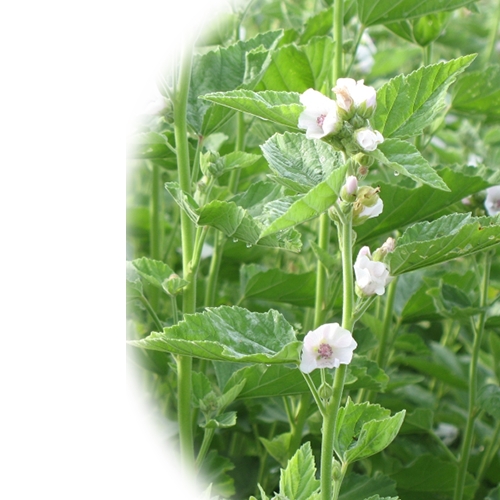
4. Marshmallow (Althaea officinalis)
Use: Soothing for throat, digestion aid, urinary issues, and skin irritations (including treatment for wounds and burns.
Steph’s Note: Marshmallow can be wild harvested in many environments, so it makes sense that it treats a variety of issues in the body! There are other ‘mallow’ plants which are used in similar ways to marshmallow. I’ve bought seeds to start my marshmallow plants but get familiar with the look of this plant and you may have a source that grows naturally around you.
Recipe: Marshmallow Root Cold Infusion
- 1 tbsp chopped dried root in 1 cup cold water
- Steep 4–8 hours, strain
- Drink ½ cup up to 3x daily
Dosage Tip:
- Leaves: 1–2 tsp dried per cup of tea
- For skin: steep leaves in warm water, apply as compress for rashes or burns

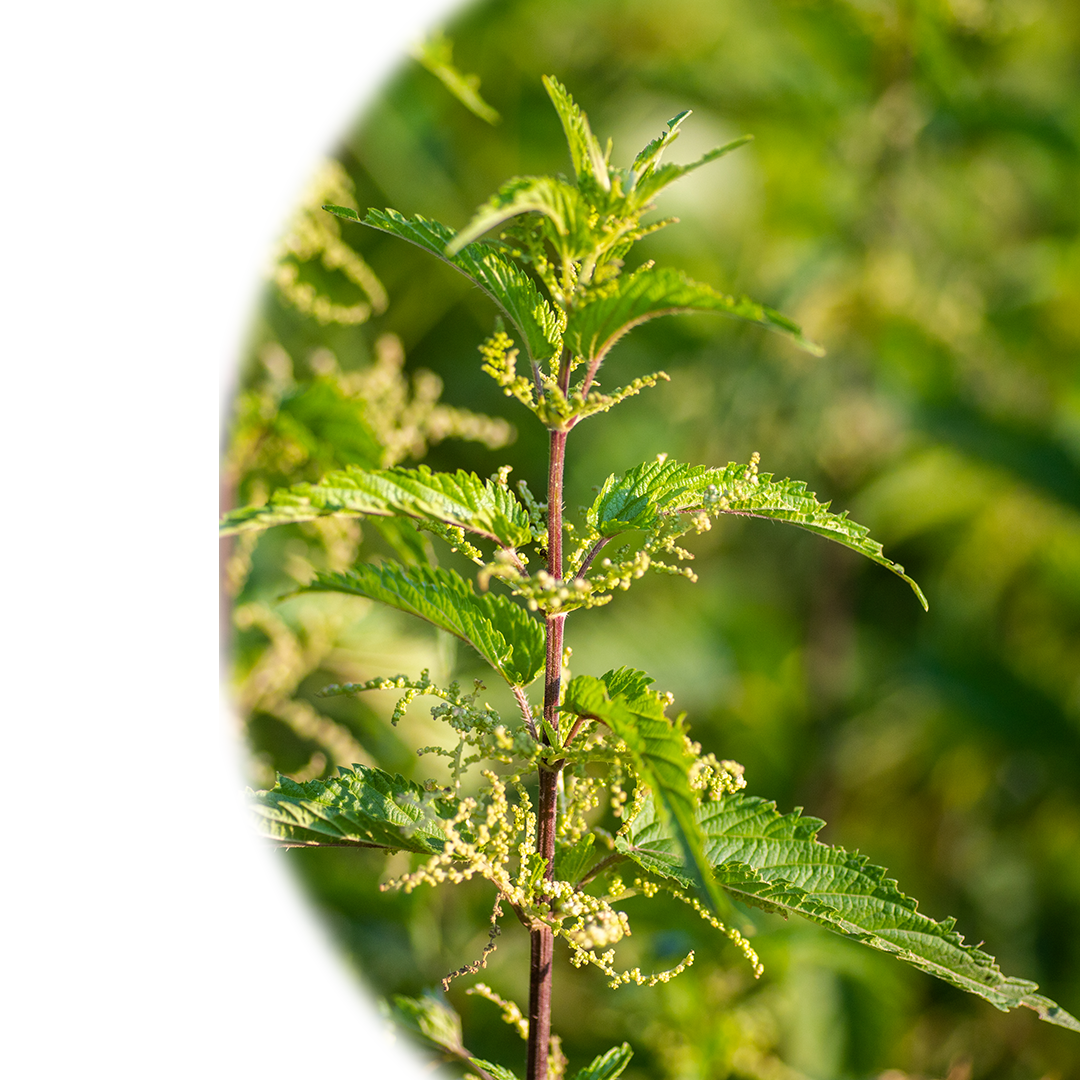
5. Stinging Nettle (Urtica dioica)
Use: Iron-rich tonic, joint support, antihistamine; good for arthritis and other inflammatory conditions and as a general antioxidant.
Steph’s Note: While this plant is best harvested with gloves, it is worth having a source for stinging nettle growing nearby. The ‘stinging’ part of this plant is the needle-like projections that easily inject irritating substances into the skin on contact. I’m currently taking a tincture of nettle leaves daily for inflammation and as a nutritive supplement. It is a notable source of calcium, manganese, magnesium, vitamin K, carotenoids, and protein. This is your go-to plant when you’re low on energy and feeling other symptoms of sluggish health.
Recipe: Nettle Infusion
An iron-rich tonic for energy, allergies, and joint support.
- 1 tbsp dried leaves per cup boiling water
- Steep 10–15 minutes, strain
- Drink 1–2 cups daily
Dosage Tip:
- Fresh leaves: steam or sauté for soups
- Seeds: ¼ tsp daily sprinkled on food for adrenal support
- Avoid during pregnancy unless advised

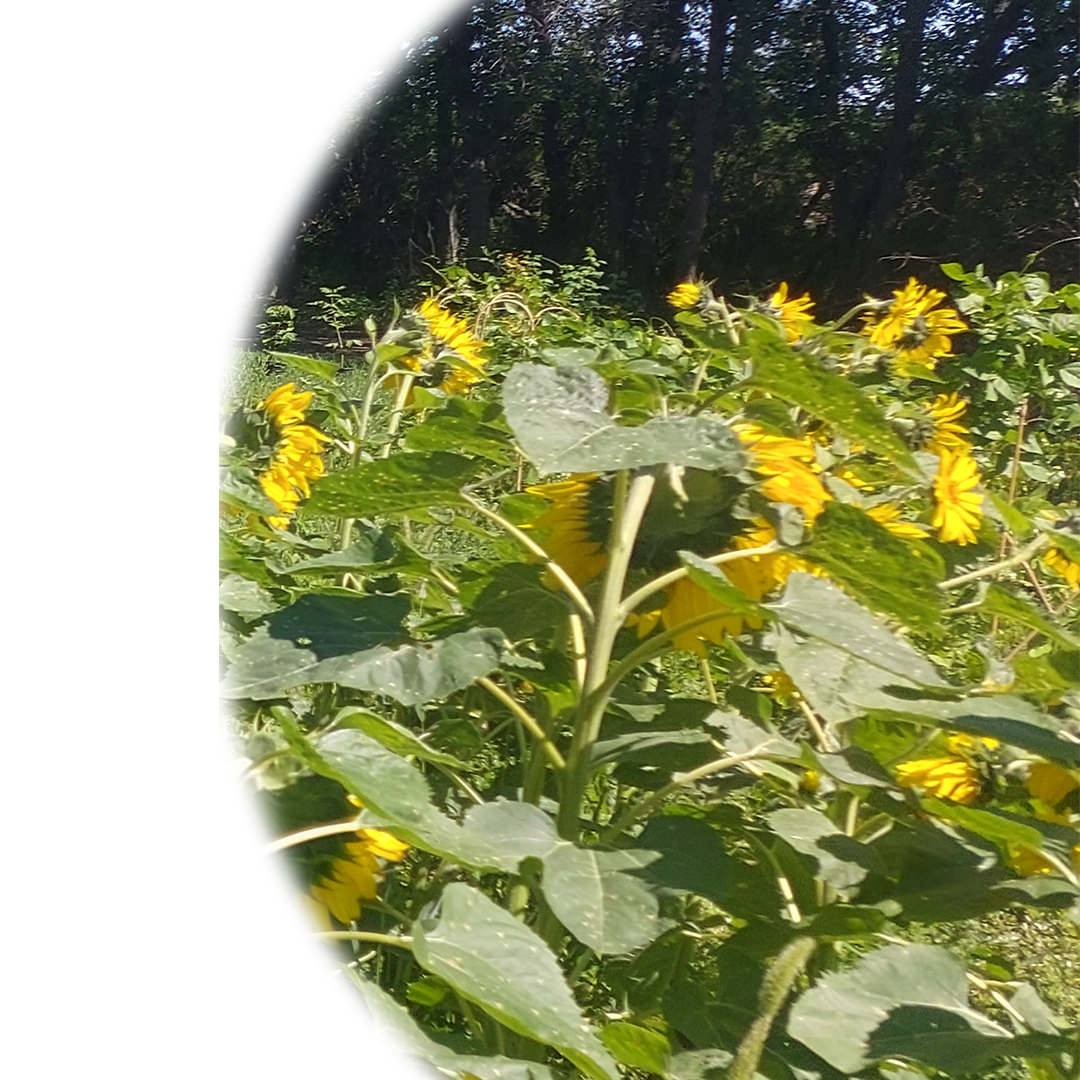
6. Sunflower (Helianthus annuus)
Use: Skin healing, nutritive oil, mood support, muscle pain, headaches, and food.
Steph’s Note: I used to grow sunflower plants because they look beautiful, but now that I know why God made them look so magnificent I have added this to my medicinal growing plan. The seeds and petals can be eaten straight up for good nutrition, and the leaves, petals, and stems are made into herbal infusions, tinctures, compresses (blanch leaves to soften texture and use on the forehead for headache relief), poultices, decoctions, and syrups. The sunflower: pleasing to look at and powerful for the body!
Recipe: Sunflower Petal Salve
This soothing skin balm is great for minor irritations and dry patches.
- Infuse petals in olive oil for 2 weeks
- Strain and mix with melted beeswax (1:4 ratio)
- Pour into tins and cool
Dosage Tip:
- Seeds: 1–2 tbsp daily for nutrition
- Petal tea: 1 tbsp petals per cup, steep 10 minutes—drink for mild mood lift

7. Yarrow (Achillea millefolium)
Use: Wound care, infection, fever, menstrual support, immune boosting, and all-around oral health.
Steph’s Note: Yarrow was the first plant I ever made into a tincture and it’s a mainstay in my home apothecary. It provides relief for practically every symptom of colds and flus and is our family’s go-to for wounds and skin irritations due to its broad antimicrobial and antiseptic properties.
Recipe: Yarrow Tincture
- Fill jar with fresh yarrow leaves and flowers
- Cover with 40% alcohol (vodka), steep 4–6 weeks
- Strain and store in dropper bottle
Dosage Tip:
- Tincture: 10–20 drops in water up to 3x daily
- Tea: 1 tsp dried herb per cup, drink 1–2 cups for fever or cramps
- Topical: fresh leaves directly on cuts to stop bleeding

8. Thyme (Thymus vulgaris)
Use: Antimicrobial, respiratory, digestion, immune booster, muscle pain, anti-parasite; highly beneficial for daily use.
Steph’s Note: Another common kitchen herb that shines for its health benefits. Thyme is pretty easy to grow and harvest throughout the growing season, but with its great use for issues in the body, you’ll want to grow lots to dry, infuse, and have on hand all year long. Thyme is especially nice to preserve by infusing in vinegar, oil or honey.
Recipe: Thyme Honey for Coughs
- Fill jar ⅓ full with fresh thyme
- Cover with raw honey, stir
- Let sit 1–2 weeks, strain if desired
Dosage Tip:
- 1 tsp thyme honey as needed for cough
- Tea: 1 tsp dried thyme per cup, steep 10 minutes—drink 2–3x daily
- Steam: add 1 tbsp thyme to bowl of hot water, inhale for congestion
Medicinal Herb Storage & Safety Tips
- Drying: Hang herbs in bundles or use dehydrator at low temps.
- Storage: Keep in airtight jars away from light and moisture.
- Labeling: Include herb name, harvest date, and intended use.
- Safety: Always test a small amount first; consult a professional for chronic conditions or pregnancy.
With this medicinal herbs list and their uses, you have a great supply of treatments to many ailments, injuries, and disorders, as well as high-quality nutrient sources. If you’re just starting to grow your knowledge of plants for health, these plants are some of the easy ones to grow and use for treatments. But there are many more plants to get to know. Always be learning!
