Homesteader Skill Set: Preserving Your Harvest
There are so many practical and purposeful homesteading skills to learn — and never quite enough time to master them all! That’s just part of the beauty of this lifestyle. At the heart of living within our human limitations is embracing a lifelong love of learning. As we grow in experience, we build up a wealth of knowledge that serves our family and our homestead for years to come.
One of the most essential homesteading skills is learning how to preserve food from your garden so your family can enjoy it all year long. Food preservation isn’t just about stocking shelves, it’s about stewarding your harvest and making the most of what you’ve grown. There are many methods to choose from, each with the same goal: slowing down spoilage and keeping food safe and delicious.
You don’t need to know everything at once. Just start with one method and build your homesteading know-how step by step. Pick your favourite technique below and begin your journey toward feeding your family from your own land — whatever square footage or acreage you have — season after season.
Preserving Your Harvest: Techniques and Tips
Preserving your harvest is a valuable practice for sustainable homesteading, enabling extended consumption beyond the growing season.
Preserve by Canning
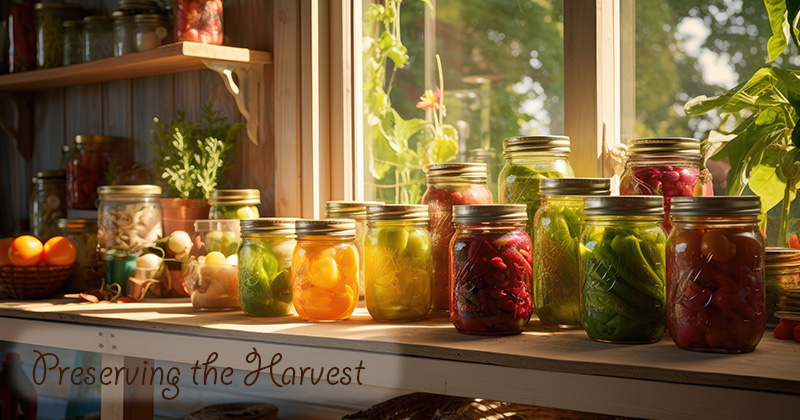
Canning is a widely used and efficient method of food preservation, which involves placing prepared fruits, vegetables, and other foodstuffs into sterile containers, typically glass jars, followed by heat processing at temperatures sufficient to substantially delay spoilage microorganisms and endogenous enzymes. This heat treatment creates a vacuum seal that prevents microbial contamination, thereby significantly prolonging the shelf life of the preserved products. When performed under appropriate conditions, canned foods can retain their nutritional value and remain safe for consumption for several years.
Homestead Wisdom
While canned food can be preserved for several years, I find that if I have preserved food still in jars after two years, it’s likely not something I want to can again. Consider what is good food to your family — don’t just preserve food because you have a lot of it, but likely won’t eat it. I’ve had years where I’ve feed some of the fresh harvest to our pigs because I knew we weren’t going to preserve or eat all of it fresh.
Preserve by Freezing
Freezing is another straightforward and effective preservation method. By freezing fruits, vegetables, meats, and dairy products, you can significantly extend their life while retaining most of their nutritional value. Most vegetables need to be blanched before freezing.
Blanching involves briefly cooking vegetables in boiling water, then cooling quickly in ice water. This process stops enzyme actions that would otherwise cause loss of flavour, colour, texture, and nutritional value, particularly vitamins. It also helps kill bacteria and removes dirt from the vegetables’ surface, improving food safety. An added bonus is that vegetables are slightly softened, making them easier to pack and ensuring better preservation during freezing.
Proper blanching time is pretty important! Check out this handy blanching chart from My Frugal Home. Too little time in the hot, boiled water can stimulate enzyme activity, and too much can degrade quality. After the appropriate time in the hot water, cooling in ice water for the same amount of blanching time takes you to the packing, then freezing steps. Some vegetables, like onions and peppers, do not require blanching before freezing.
Investing in a good-quality vacuum-sealer and learning proper packaging techniques can maximize the efficiency of this preservation method.
Preserve by Dehydrating
Dehydrating is a versatile preservation technique that involves removing moisture from foods to inhibit the growth of bacteria, yeast, and mold. Dehydrated foods are lightweight, compact, and have a long shelf life, making them ideal for storage and easy transportation. You can dehydrate a wide variety of foods, including fruits, vegetables, meats, and herbs. Using a food dehydrator ensures consistent results, but you can also use an oven or air-drying methods for certain foods.
This year we started using a solar dryer to dehydrate, which we built ourselves with the help of the book, The Solar Food Dryer by Eben Foder. Of course, we customized the plans and have made a smaller version using similar plans as Eben’s book describes. For now, we’re making solar dryers for family as we get some experience building them, but this could become one of our products available for sale!
Consider the Value
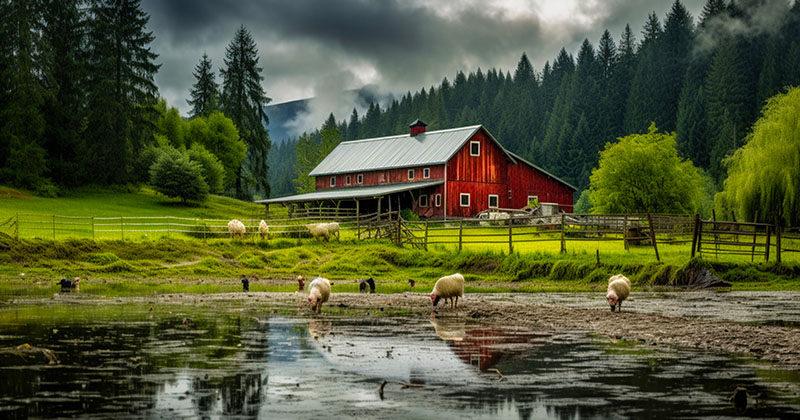
It has often come to mind and I’ve had several conversations about the ‘cost’ of preserving food (and the cost of many other self-sustaining practices). When I go out to our quaint little barn twice a day for chores and other times for bigger cleanup or other tasks, I sometimes think that I’m putting a lot of time into raising animals for food, which I could buy much cheaper, yet I find raising animals so satisfying.
I believe that this ‘satisfaction’ comes from God. When we are dependent on Him and all that He has created, our lives become much more meaningful. Logically, it may seem like you’re wasting time canning food that you could go out and buy for much less than you can grow and process on your own.
It’s not about the cost though.
We have a tainted food system and an abundance of food-like options that have been altered so much from the original ingredients that our bodies can’t digest it properly — in fact the toxic load that our bodies need to deal with is higher than ever if we only rely on industrial processed food. Preserving your own home-grown food that you know hasn’t been laden with harmful substances or genetically altered for profit and not for the benefit to the human body, is more important than ever.