
Financial Education for Kids: Practical Ways to Help Your Children Gain Financial Wisdom Early
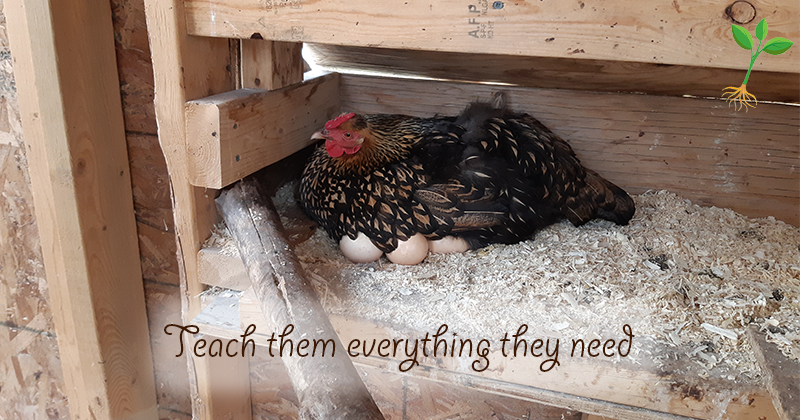
Raising children is one of the most meaningful callings a parent will ever take on, especially in a home education setting where learning naturally blends into everyday family life. When education happens around the kitchen table, in the garden, or while tending animals on the homestead, children absorb far more than academics — they learn values, habits, and practical skills that shape their future stability. Financial wisdom is one of the most powerful life skills parents can pass down. By teaching children how money works and how to steward it well, families — whether in a rural homesteading environment or a busy suburban home — can equip their kids with confidence, resilience, and the ability to navigate adulthood without unnecessary financial stress.
Starting as early as age eight, parents can be sharing a variety of financial insights to get a young mind to achieve the right thinking in dealing with money. You can start mentioning money concepts as early as kids can count, but at around 8 years old a child can best comprehend such concepts as long-term and short-term savings, dividing income, and the pros and cons of credit. As a child gets older, these financial aspects can become more involved and more advanced concepts can be taught such as mortgages & loans, investing and sources of income.
Simple Projects to Teach Kids About Money
Children will reap life-long benefits from their investment of time into their financial education, before they have a chance to develop bad money habits. There are many ways to appeal to the interests of each child to best teach about various money ideals and pique their interests too:
- teach about saving with a goal of buying something that they want;
- educate on the ins and outs of investing by following the stock of a company that produces something that the child enjoys;
- provide a budget outline for family expenses where children and parents come up with the forecasted numbers together and then keep track of actual costs.
Keep the financial education light and fun to start with so there isn’t any resentment from the child in later years to keep on learning.
The benefits of instilling good financial knowledge will create a solid foundation for a financially stable future. Not only will your well-trained child be more likely to have an adequate savings account and live within their means, they will also be able to see credit as an area of caution. Many adults fall into the ‘credit trap’ before they even realize what hit them. Gaining financial wisdom, before any real responsibility of money is in your child’s life, will almost guarantee the avoidance of unnecessary debt. It will be the best gift your child never knew you gave them!
Additional Financial Literacy Skills to Teach Your Children
- Understanding Needs vs. Wants
One of the simplest yet most powerful financial lessons is helping children distinguish between needs and wants. This concept becomes the backbone of wise spending habits later in life. When kids learn that needs, such as food, clothing, and shelter must be prioritized over wants like toys or entertainment, they begin to understand how budgeting works. You can reinforce this by involving them in small purchasing decisions and asking questions like, “Is this something we need right now, or something we want?”
- Practicing Generosity and Charitable Giving
Financial wisdom isn’t only about earning and saving; it’s also about giving. Teaching children to set aside a portion of their money for charitable purposes helps them develop empathy, gratitude, and a healthy relationship with money. Whether they donate to a local cause, contribute at church, or help a friend in need, they learn that money can be used to bless others, not just themselves. This builds character and reinforces the idea that financial stewardship includes generosity.
- Introducing the Concept of Earning Money
As children grow, it’s helpful for them to understand that money is earned through effort, creativity, and responsibility. This doesn’t mean paying them for every chore, but offering age‑appropriate opportunities to earn small amounts. These opportunities could be helping with extra tasks, pet‑sitting, or selling handmade crafts. When kids earn their own money, they naturally become more thoughtful about how they spend it. They also begin to grasp the connection between work and reward, which prepares them for future employment and entrepreneurial thinking.
Financial education is one of the greatest long‑term gifts parents can give their children, especially in a home education environment where learning is woven into daily family life. Whether lessons happen during a budgeting conversation at the kitchen table or while planning for future needs on the homestead, parents are uniquely positioned to guide their children toward financial confidence and responsibility. When moms and dads embrace their role as their child’s main educator, they not only shape academic understanding but also build the practical wisdom needed for adulthood. If you’re exploring how home education can support your family’s values, rhythms, and goals and how homeschooling truly can work for every family, take the next step and discover your options at hslda.ca/explore-education.
One-on-one coaching and consulting by Steph