Top Garden Starting Plants for Homesteaders in Canada’s Colder Zones
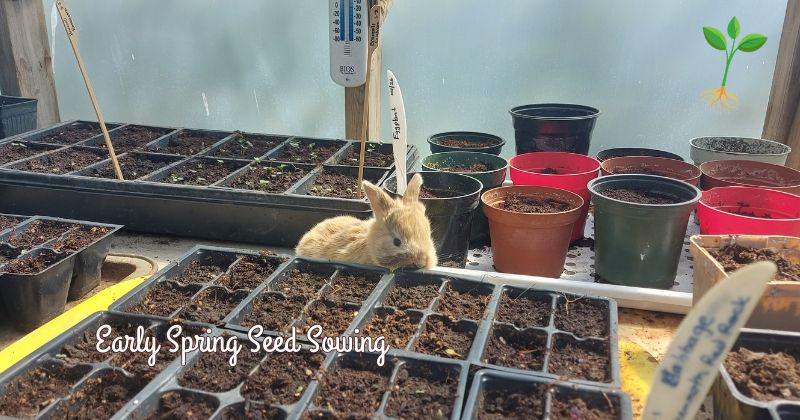
Starting a garden in Canada’s colder zones — Zone 5 and below — is an easy enough goal. Vegetables and fruit grow in abundance in these zones when the right variety is chosen but with shorter growing seasons, a homesteading garden needs some indoor prep in March or April and possibly some microclimates for frost protection for spring and fall. Whether you’re in southern Ontario’s countryside or a lower zone higher in the map, you can grow food and medicinal plants for a more self-sustaining life.
Before we get into some of the easier starter plants, let’s go over some of those extra prep steps you’ll want to consider for the best harvest from your garden.
Determine your best approach to start seeds indoors. Plants like tomatoes, peppers, cabbage, broccoli, and herbs need an early start than our Canadian growing season allows. You’ll need to invest in growing lights or have a window (south-facing is ideal) that you can have your plants in front of for several weeks.
Take time to research and plan your garden. There are many resources that you can use to get more familiar with what works best for your skill level and location, as well as gain more gardening knowledge. We’ve used the GrowVeg Garden Planner for the past couple of years. This platform has lots of learning opportunities in the form of videos and articles, but the Garden Planner is our favourite source of information on what’s best for specific plants and using a visual planner to plot out our gardens each year. You can learn about all the GrowVeg offers through the link above and you should get a 25% discount through that link if you decide it’s for you!
Understand how to create microclimates to extend the season or protect from deep frost over winter. Your landscape can make a big difference on your growing options. You can use row covers, hoop houses, cold frames, and mulch to protect plants from frost — some plants can even grow well into winter in a cold frame! There are also various techniques to create microclimates that allow you to grow plants not common for your zone or to protect your garden plot from wind and early frost. In our southwest Saskatchewan homestead, trees completely surround our east garden to protect from the regular high winds we experience and lessens the effects of a light frost. Our west garden, which is pretty wide open to the elements experienced a killing frost two weeks before the east plot was effected by the dip in overnight temperatures.
Homesteading Garden Starters
While you’ll find many resources online to help you choose varieties of plants, the retailers that sell seeds or plants in your area will mostly have done the research for you and will only sell those varieties which will do well in the local zone. When I’m buying seeds I’ll look as close to home as I can and usually buy online to get the seed houses selling heritage varieties. See this Medicinal Plants article for a list of a few of the on-farm seed companies (who sell vegetable seed as well) that may be a good seed source for you!
Now, the food list! These hardy garden starters will help you grow a productive, resilient homestead garden.
1. Kale
Kale is the cold-weather champion. It can handle frost like a pro and even tastes sweeter after a chill. Start it indoors in early spring or direct sow as soon as the soil is workable. Bonus: it’s a cut-and-come-again crop, so you’ll get multiple harvests.
2. Peas
Peas love cool soil and don’t mind a bit of frost. Sow them directly into the ground as soon as it thaws. They climb easily, so toss up a trellis or some chicken wire and let them do their thing. Sugar snap and snow peas are great for fresh eating and stir-fries. Peas are also good for succession planting, so try sowing seeds in May, June, and July for a bountiful harvest.
3. Carrots
Carrots are slow and steady growers that thrive in cooler temps. They don’t transplant well, so direct sow them and be patient. Choose shorter varieties like ‘Danvers’ or ‘Little Finger’ if your soil is heavy or rocky.
4. Potatoes
Potatoes are a homesteading staple. They’re easy to grow, store well, and feed a crowd. Plant seed potatoes in trenches once the soil warms a bit—usually late April to early May in Zone 5 and late May to early June for Zone 2-4. There are lots of good varieties, so experiment with 3-4 different kinds.
5. Tomatoes
Start tomatoes indoors in March or early April. Start with small pod pots and then transplant to bigger pots after 3-4 weeks. When chance of frost has passed, transplant again to your garden. They need a bit of maintenance to remove suckers, add support, and possibly trim down. We grow a wide variety of tomatoes: paste, large slicing, smaller varieties and cherry (that are great as snacks in the garden!).
6. Lettuce
Lettuce is quick, easy, and loves cool weather. You can start it indoors or direct sow early. Mix up your varieties —romaine, butterhead, and leaf types — for a steady supply of salad greens.
7. Beets
Beets are another cold-hardy root crop that’s perfect for Zone 5 and lower. They’re easy to grow and give you both roots and edible greens. Direct sow them and thin as needed. Try the Cylindra and Golden varieties — or another fine hierloom option.
8. Cabbage
Cabbage is a tough veggie that thrives in cool climates. Start it indoors and transplant when the ground is ready. It’s great for fermenting, storing, and feeding a family. At our homestead we have a brassica enemy, flea beetles, that come mid summer to try and suck all the life from our cabbage plants, so we now grow in screened boxes.
With these hardy starter plants and proper preparation techniques, gardeners in Canada’s growing zones can build a productive, self-sustaining homestead garden. Success hinges on patience with indoor starts, strategic use of microclimates, and selecting varieties bred to withstand frost and short seasons. Each harvest reinforces resilience, whether you’re cultivating sweet kale after an October freeze or storing potatoes through winter months. By investing time in planning and learning from local conditions, you’ll gradually expand beyond basics into a more diverse, thriving food system. Personal experience, also know as trial and error, are sure to be part of your gardening success, so even if you don’t bring in an amazing harvest, learn from the experience and grow again next year.